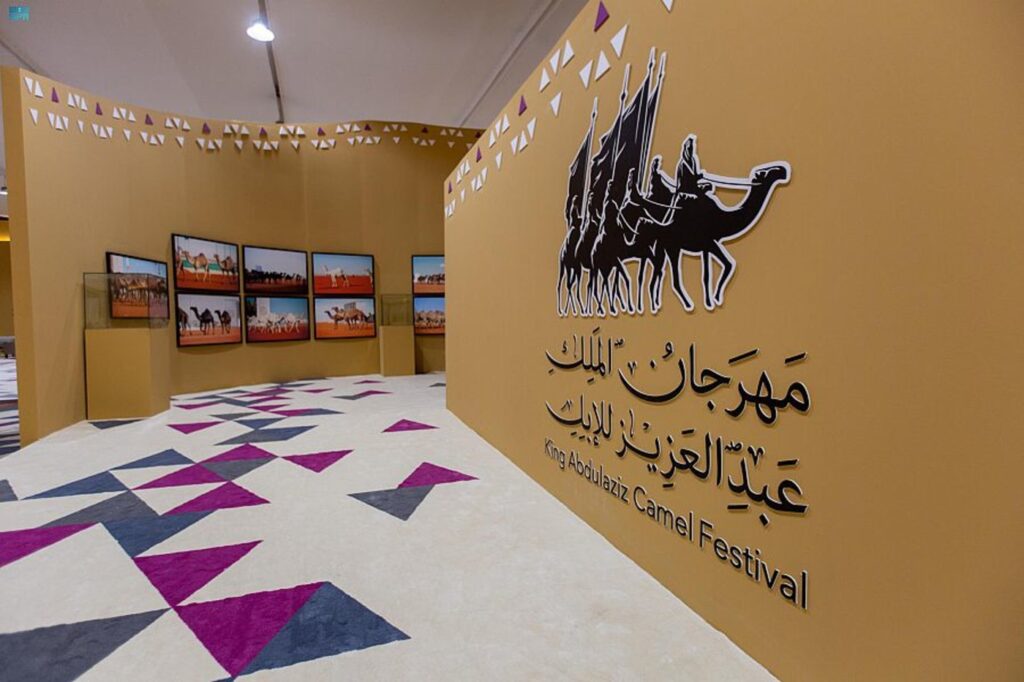

King Abdulaziz Camel Festival: A Canvas of Heritage and Innovation
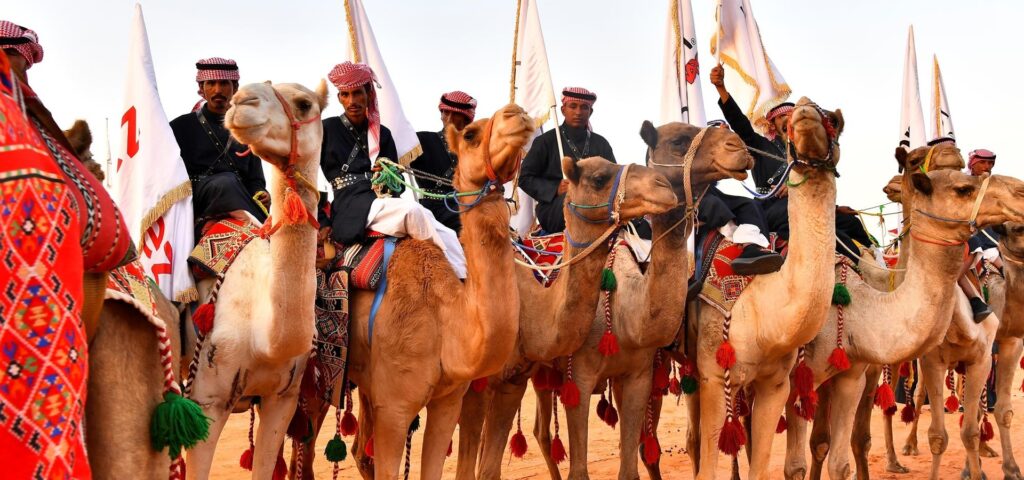
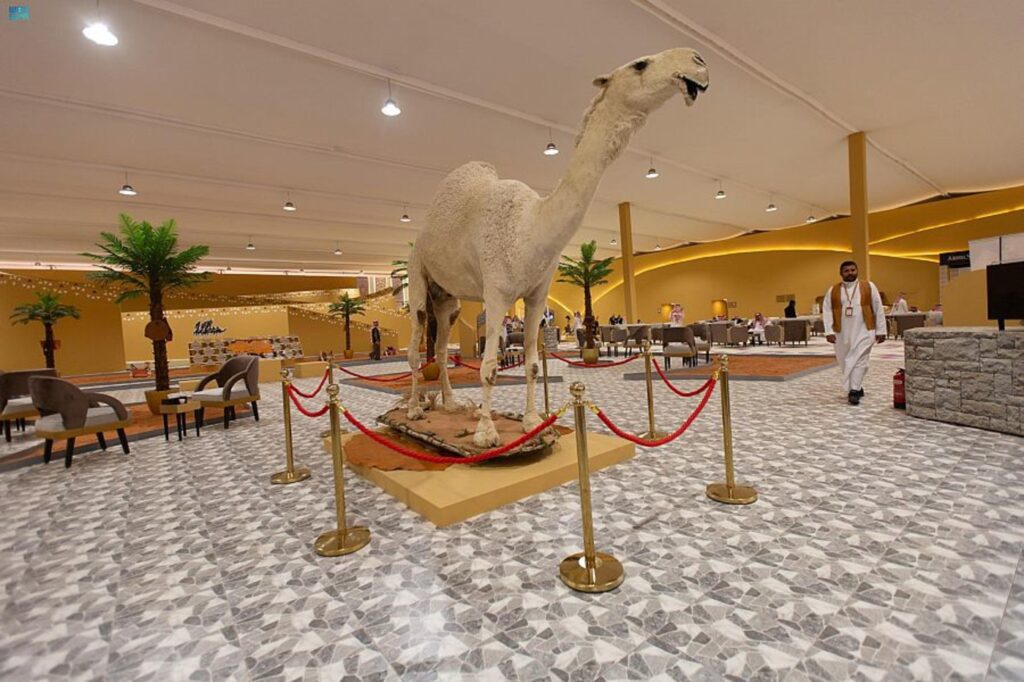
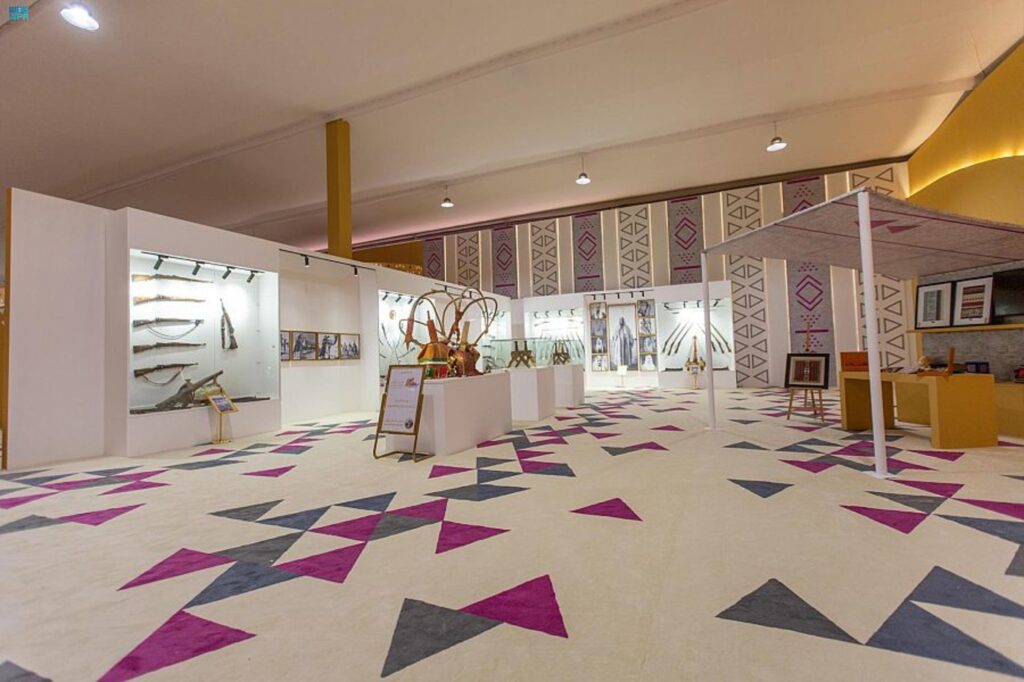
Deep in the Al-Sayahid desert, where warm sands meet winter breezes, the King Abdulaziz Camel Festival continues to present the world's largest celebration of the camel's place in Saudi history, heritage, culture, and economy. The cultural camp is one of the festival's most prominent attractions, recreating traditional Bedouin life through heritage performances, poetic storytelling, and Arabic coffee-making rituals using antique utensils, some more than a century old.
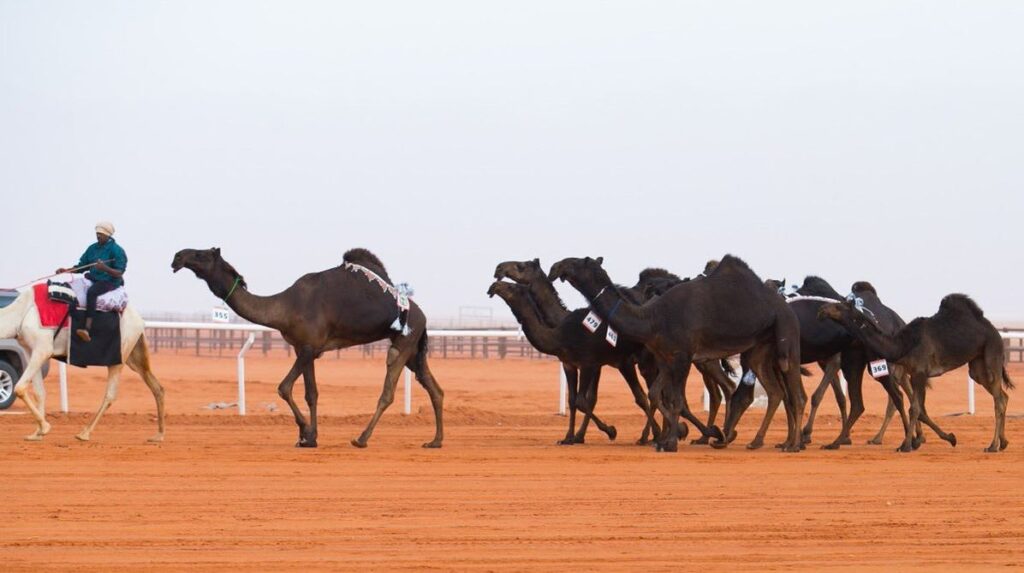
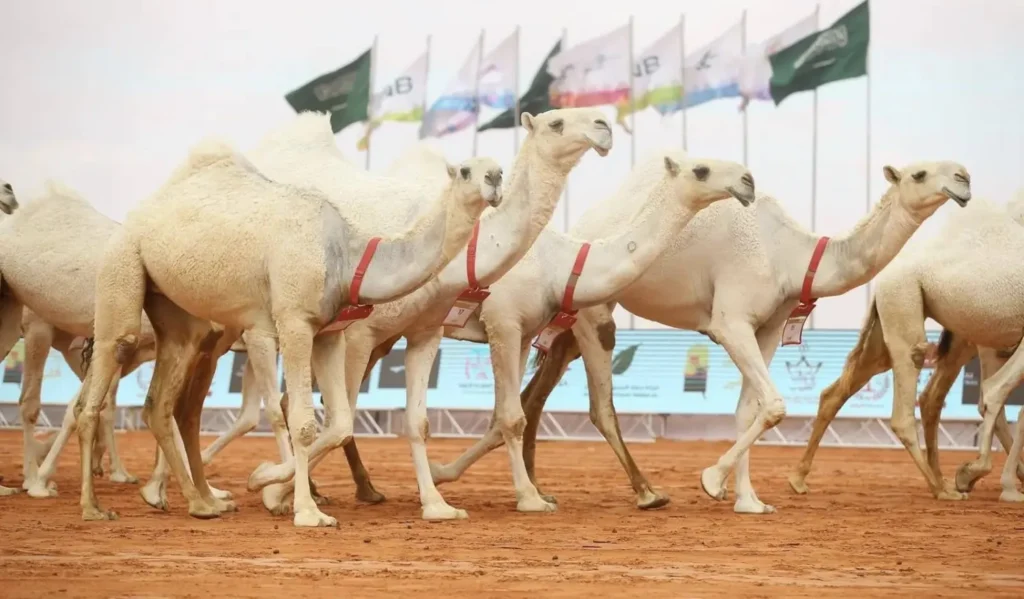
The camp allows visitors to learn about traditional woven tents and their different forms, and discover ways of life in the desert, including how people once relied on camels for water, transport, and herding. Guests also explore the world of camel coat colors, such as Maghatir and Majahim, and their subtle variations, which help determine the quality and beauty of breeds, alongside the productive traits that make Majahim superior milk producers.
The Kingdom's interest in this heritage extends to modern science. A research team at King Abdullah University of Science and Technology successfully developed an intelligent drone-based system to detect camels and track their movements with high precision without expensive tracking collars—an important advance given that camels can travel up to 50 kilometers a day.
Economically, the camel sector contributes more than SAR 2 billion annually through food products, tourism, and veterinary services. The Kingdom has more than 2.23 million camels, with Riyadh Region leading the count. The King Abdulaziz Foundation documents this heritage through specialized exhibitions, while the King Salman Global Academy for Arabic Language has published a Dictionary of Camel Terminology to preserve the language associated with it.
Rock art testifies to the presence of camels in the Arabian Peninsula for thousands of years. They also hold profound religious and historical significance, from the she-camel of the Prophet Salih, peace be upon him, to the Prophet Muhammad's camel Al-Qaswa, peace and blessings be upon him, and their role in the Kingdom's unification through King Abdulaziz's camel Musayhah.
The King Abdulaziz Camel Festival has also increased awareness of purebred lineages and encouraged proper breeding practices, according to camel enthusiast Khalid Al-Otaibi. In the context of economic development, the Public Investment Fund announced the establishment of Sawani to enable the growth of the camel milk industry and advance the local food sector in line with Vision 2030.
Between Bedouin heritage and modern technological innovation, the camel remains an enduring symbol of pride and patience, continuing its journey from ancient caravan routes to artificial intelligence and carrying the legacy of the past toward the horizons of the future.