
Saudi tourism: A national journey expanding opportunities and creating impact
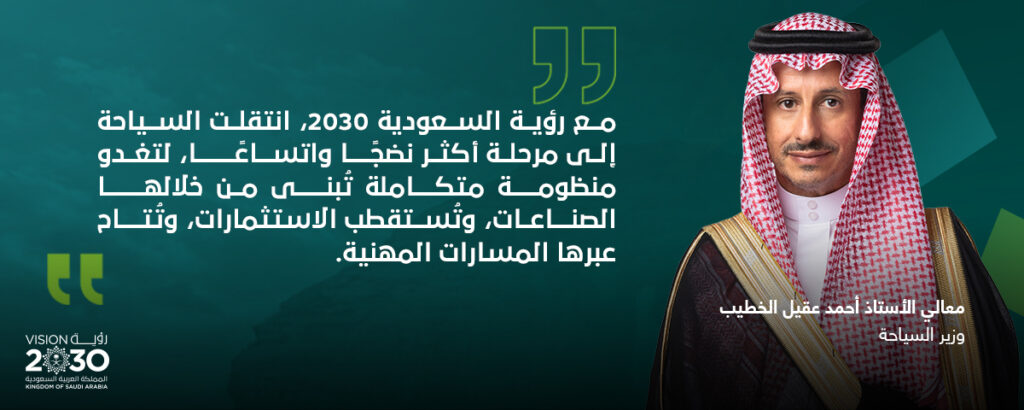
By His Excellency the Minister of Tourism, Mr. Ahmed Aqeel Al Khateeb, May God Protect Him
When Saudi Vision 2030 was launched under the patronage and guidance of my sovereign, the Custodian of the Two Holy Mosques, and His Royal Highness the Crown Prince—may God protect them—its purpose was not merely to outline an economic future, but to reshape the Kingdom's relationship with itself and the world around it. The Vision sprang from a deep understanding of this nation's potential and a firm belief in the Saudi people's ability to lead transformation and make an impact.
At the heart of this transformation, tourism emerged as one of the paths most expressive of this direction. It extends a rich civilizational heritage while opening broad development horizons, where identity intersects with the economy and global presence meets pride in our roots.
Hospitality, culture, and geographic diversity have always been integral to the Kingdom's character. With Saudi Vision 2030, tourism moved into a more mature and expansive phase, becoming a complete ecosystem through which industries are built, investment is attracted, career paths are opened, and local communities participate as partners in growth, not merely its recipients.
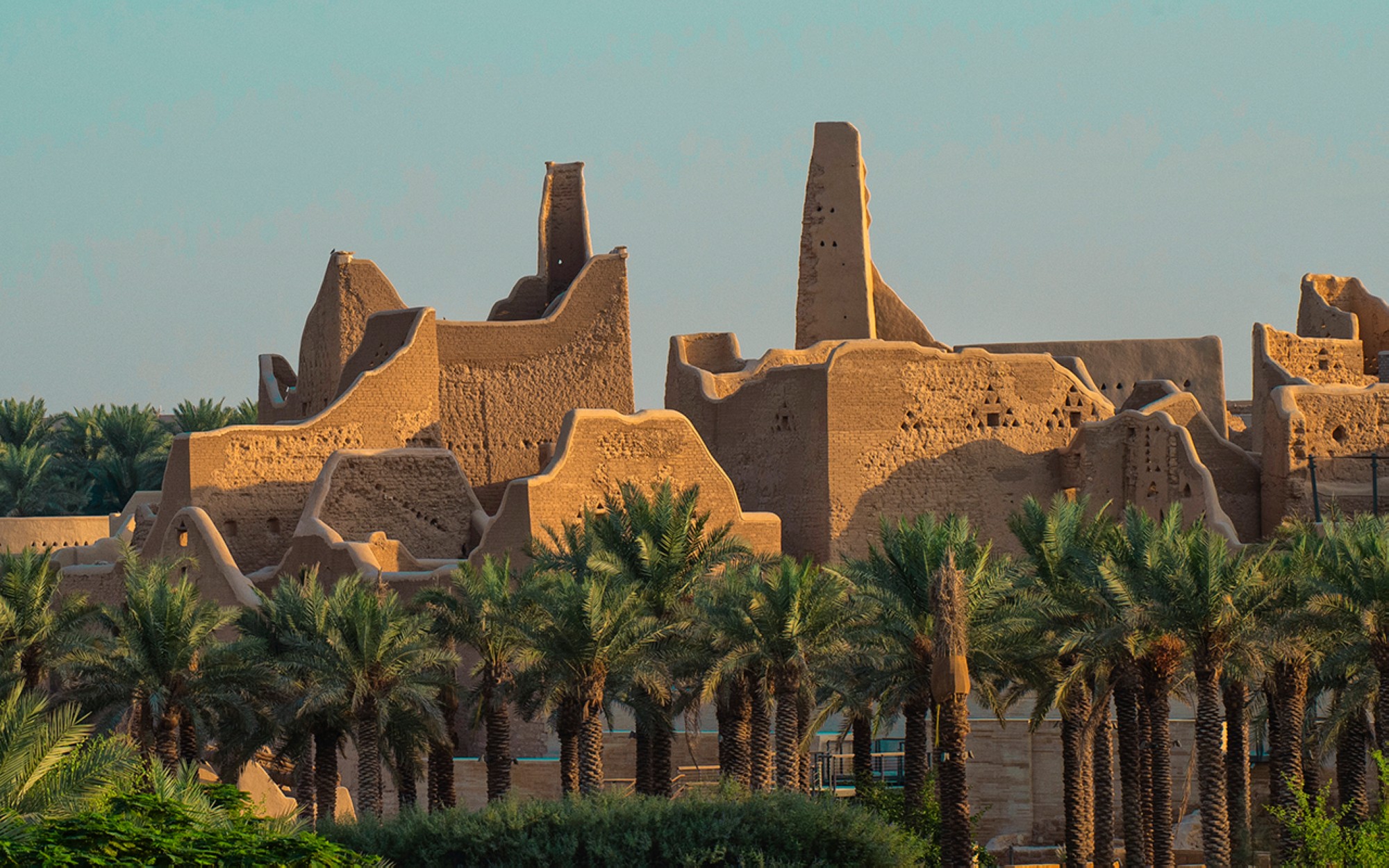
Over the past years, this journey has taken shape on the ground. Historic cities regained their standing, natural destinations emerged on the global tourism map, and areas once distant from economic activity became part of a growing national movement. From AlUla to Jeddah, and from the Red Sea coast to Diriyah, tourism experiences developed that spring from the spirit and history of each place.
With this expansion, results followed. In 2024, tourism contributed approximately 5% directly to GDP, and work continues toward 10% by 2030 through a clear path of long-term planning and disciplined execution. The combined number of domestic and international tourists exceeded 100 million, achieving that target seven years ahead of schedule. Growth continued in 2024, with approximately 116 million domestic and international tourists welcomed—an indicator reflecting the Kingdom's transformation and strengthening its position on the global tourism map.
Yet the true value of this progress goes beyond quantitative indicators. It appears in the accompanying human and social impact. By the end of August 2025, the tourism sector had helped provide more than one million jobs in tourism-characteristic activities, filled by young men and women working in hospitality, travel agencies, reservation services, food and beverages, passenger transport, and other fields. Women's presence has also become prominent throughout the sector, while small businesses, including family companies, have enriched and broadened the tourism experience.
The leadership played a decisive role in creating conditions that enabled this growth, investing in infrastructure, developing regulatory frameworks, and making the Kingdom easier to access through electronic visas that now connect citizens of 66 countries with the Kingdom. Investment has also been directed toward aviation, destination development, digital infrastructure, and human capital development, within a vision targeting sustainability and long-term value creation through 2030.
As tourism activity expanded, cultural and human interaction deepened. Every visit opens a new opportunity to get to know one another, and every experience helps form perceptions grounded in hospitality, safety, innovation, and mutual respect. This is a story shaped by direct experience, passed from person to person before it reaches platforms.
This presence has been strengthened through extensive international partnerships with global tourism organizations, airlines, investors, operators, and technology innovators. This was reflected in tourism's share of national exports growing from 6% in 2019 to 11% in 2024. The sector also helped strengthen the trade surplus: tourism's share of the trade balance rose from just 2% (a SAR 4.8 billion surplus) in 2019 to 45% (a SAR 50.3 billion surplus) in 2024. This indicates more than tenfold growth in the tourism surplus and confirms the sector's growing role in supporting the national economy's resilience and strengthening its global presence.
As 2030 approaches, work continues to build a resilient, sustainable, globally competitive tourism sector that remains deeply connected to our national identity. This is achieved by investing in talent, strengthening private-sector participation, expanding air routes, and ensuring every destination, whatever its size, offers an experience that respects both place and guest.
On a personal level, this journey brings a deep sense of pride and responsibility. Belonging to this transformation and helping build it is an honor that deepens with every step. The young people welcoming the Kingdom's guests, the artisans passing skills down through generations, and the entrepreneurs creating new experiences are the essence of this story and the makers of its true impact.
Today, Saudi Arabia continues its journey steadily and with balance, writing a new chapter in its relationship with the world through tourism. It is a chapter grounded in vision, work, and confidence in what the future holds: the story of a nation opening its doors confidently, building its growth thoughtfully, and sharing its identity and opportunities with the world without hesitation.