

Fintech in Saudi Arabia: How Are Digital Wallets Changing the Future of Business?
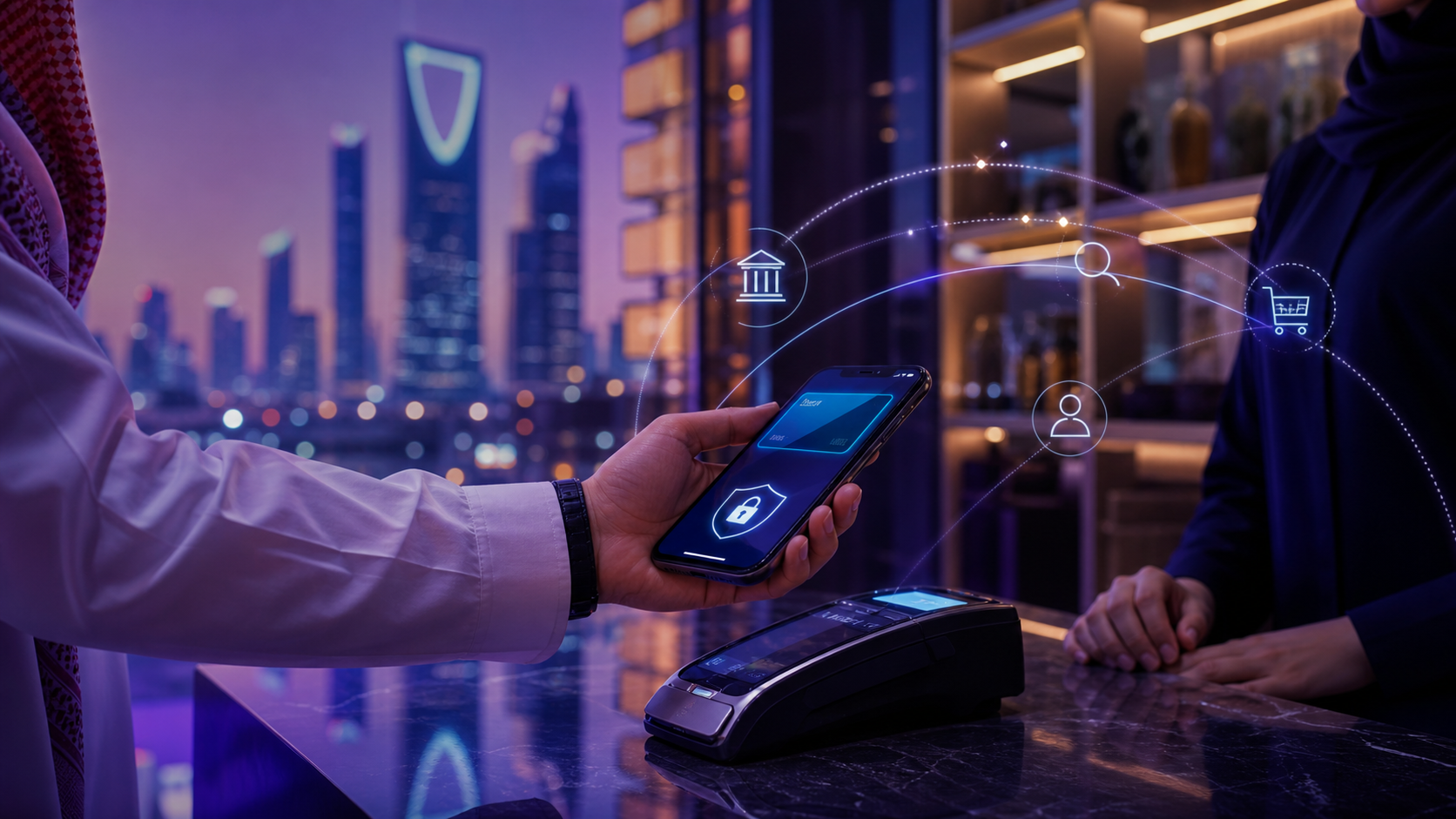
The Digital Wallet Is Changing the Rules of Business
Payment is no longer the final step in the customer journey; it has become a platform for data, financing, loyalty, and growth.
85%: Electronic Payments' Share of Retail Transactions in 2025
14.6 Billion Electronic Payment Transactions During the Year
Less Cash: Faster, Safer Access to Services
01 From Payment Method to Business Platform
Digital wallets began as a way to store cards and pay by phone, but they are evolving into a touchpoint bringing together payments, transfers, bills, rewards, and financing services. For businesses, a wallet means a shorter purchasing experience, better customer-behavior data, and faster settlement and cash-flow management.
This shift is particularly important for small shops and online businesses, which can accept payments without complex infrastructure and connect sales with accounting, inventory, and loyalty programs.
📱 Selection
🔐 Verification
📊 Analysis
🎁 Loyalty
02 A Fast-Moving Market
The Saudi Central Bank announced that electronic payments accounted for 85% of all retail payment transactions in 2025, up from 79% in 2024, with approximately 14.6 billion electronic transactions. This reflects digital payment's transition from an additional option to a widespread daily habit.
The mada network and national payments infrastructure support this growth, alongside mobile and e-commerce solutions. The central bank also launched a new e-commerce payments interface to standardize integration, improve security, and enable innovative financing solutions for merchants.
03 How Do Businesses Benefit?
Digital payments shorten collection times, reduce cash-handling errors, and enable real-time sales tracking. When a wallet is integrated with a loyalty program, businesses can offer behavior-based promotions instead of blanket discounts, while respecting privacy and legally required consents.
Reliable payment data also helps small businesses build a financial record that can be used to assess financing needs. Point-of-sale and invoice financing models come into play here, provided costs are clear and easy access does not lead to ill-considered debt.
“Fintech innovation helps create a new understanding of innovative business models.”
04 Competition Shifts to the Experience
As payment technologies converge, wallets will compete on simplicity, reliability, and added value. Customers want quick registration, secure payments, clear refunds, and immediate support. Merchants seek reasonable fees, fast settlement, understandable reports, and integration with their platforms.
Open banking creates opportunities for applications that aggregate accounts and offer better financial management tools with customer consent, enabling more personalized products and greater competition between banks and fintech companies.
05 Trust and Security Before Expansion
As payments expand, so does the impact of fraud, making strong authentication, card tokenization, transaction monitoring, and awareness essential. Users must also know what data is collected and why, and have an easy way to dispute transactions and seek redress.
Saudi Arabia has a significant opportunity to build companies in payment gateways, digital identity, security, analytics, embedded finance, and small-business solutions—fields that can expand regionally from an advanced, digital domestic market.
🏪 What Should a Small Business Do First?
Choose a licensed provider, compare fees and settlement times, then connect payments with accounting and inventory and train the team to handle disputes.
🛡️ Is a Wallet Safer Than a Card?
It can be safer thanks to biometric verification and card-data tokenization, but security also depends on protecting the device and account and on user awareness.
Reference sources: Saudi Central Bank – Electronic Payments 2025, and the New E-Commerce Payments Interface.
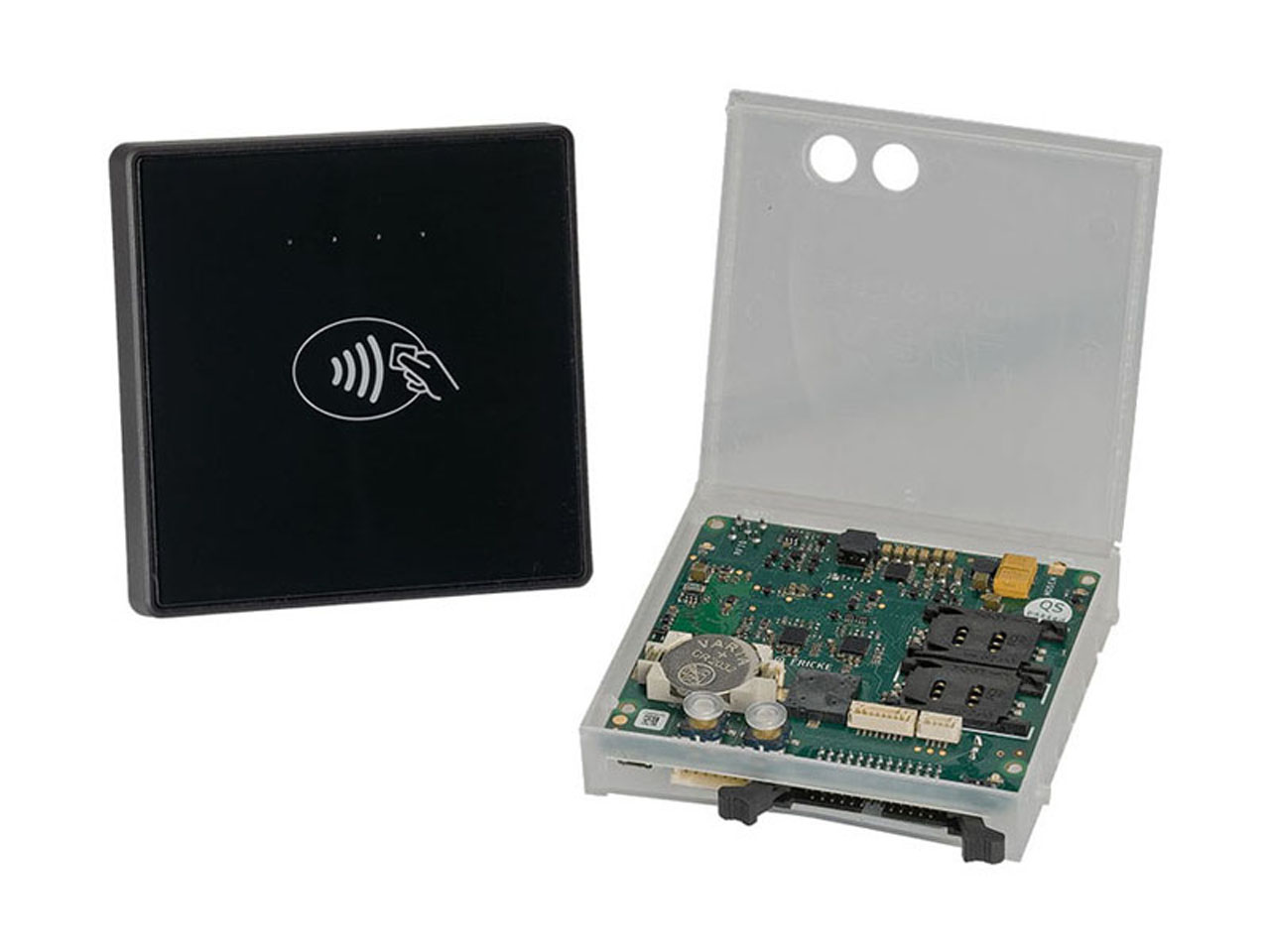
Contactless payment terminal — Photo by SirRuddy, via Wikimedia Commons, CC BY-SA 4.0 license.