
Oxagon: The Future of Advanced Industry and Floating Cities in NEOM
Oxagon is a living embodiment of the future of advanced industry—not simply a traditional industrial zone, but a complete reinvention of industrial cities for the twenty-first century, where technology meets sustainability at the heart of the NEOM megaproject.
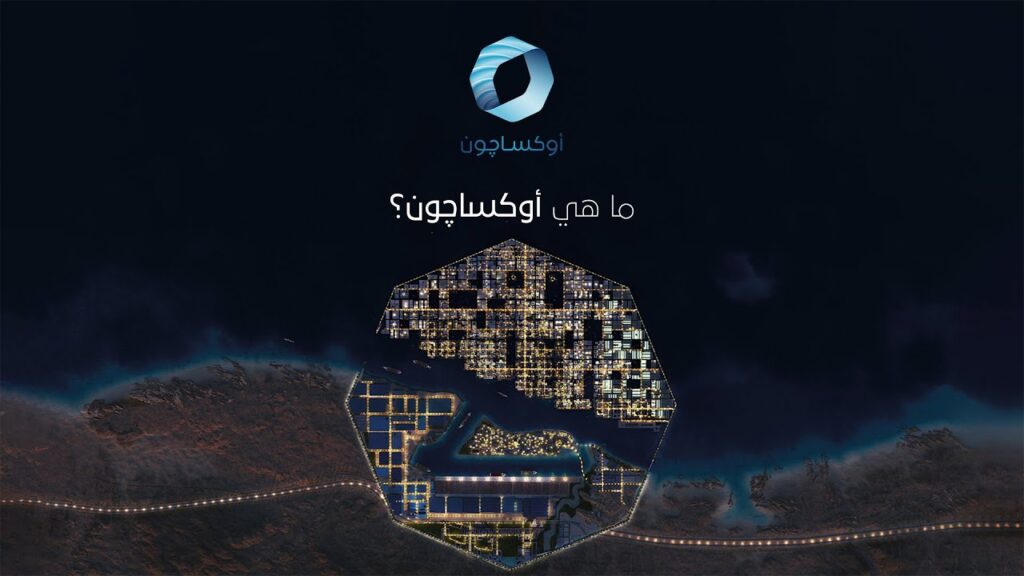
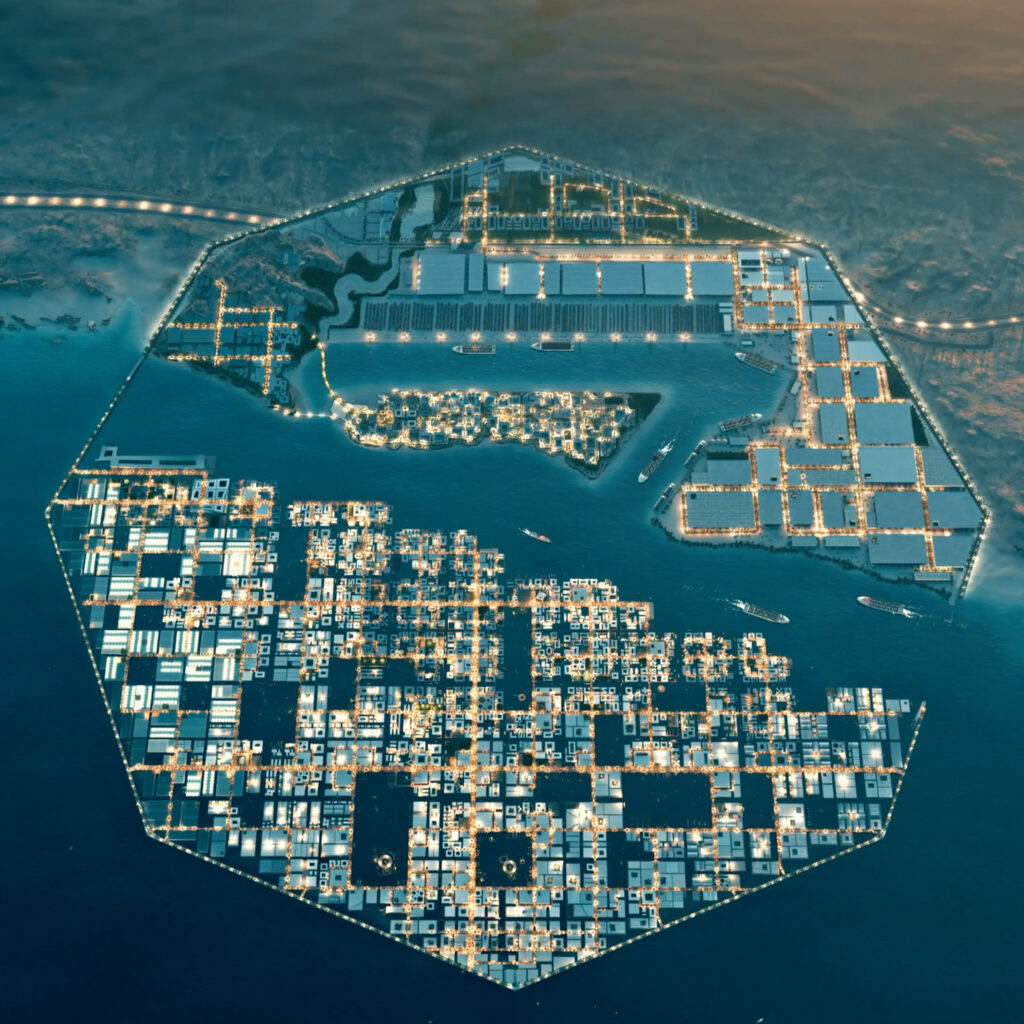
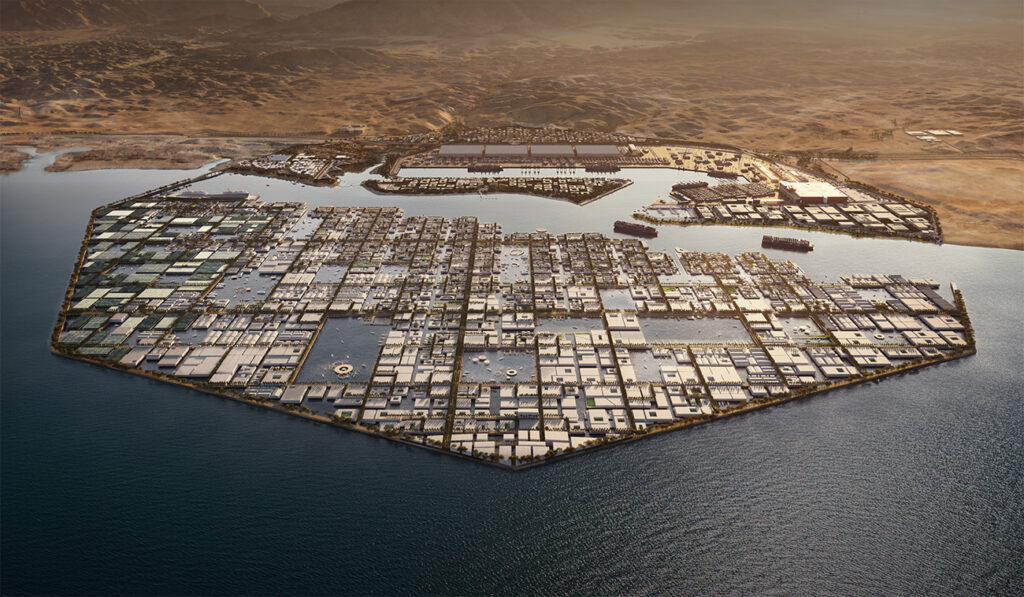
Oxagon is an integrated industrial city and advanced port in NEOM's southwestern corner on the Red Sea. Distinguished by its unique octagonal design, it will become the world's largest floating structure upon completion, making it a global logistics hub connecting three continents.
Key Features of Oxagon
Octagonal design: A distinctive geometric design intended to minimize environmental impact and maximize space efficiency.
The floating city: A large part of the city will be built over the Red Sea, reducing land excavation and providing innovative solutions for urban expansion.
Complete reliance on renewable energy: The city will run on 100% clean energy, including the world's largest green hydrogen plant.
Smart supply chains: Integrating the port with logistics services and the railway network to ensure unmatched delivery speeds.
Target Industrial Sectors
Oxagon focuses on attracting investment in seven vital, innovation-driven sectors:
Sustainable energy (hydrogen and clean fuels).
Modern mobility (autonomous and electric).
Water and desalination using sustainable technologies.
Food and agricultural innovation (vertical farming).
Digital manufacturing and Fourth Industrial Revolution technologies.
Health and well-being.
Advanced digital technologies.
Living in Oxagon: Smart Communities
Oxagon is not just factories; it is a city for living, working, and leisure. It adopts the “five-minute city” concept, placing all essential amenities within a short walk, improving quality of life and reducing transport-related carbon emissions.
“Oxagon is an engine of economic growth for NEOM and the Kingdom, creating thousands of jobs and driving global innovation.”
Why Do Companies Invest in Oxagon?
The city offers a flexible regulatory environment and direct connections to global markets through its strategic location, through which approximately 13% of global trade passes. It also provides ultra-fast digital infrastructure supported by artificial intelligence and the Internet of Things (IoT).